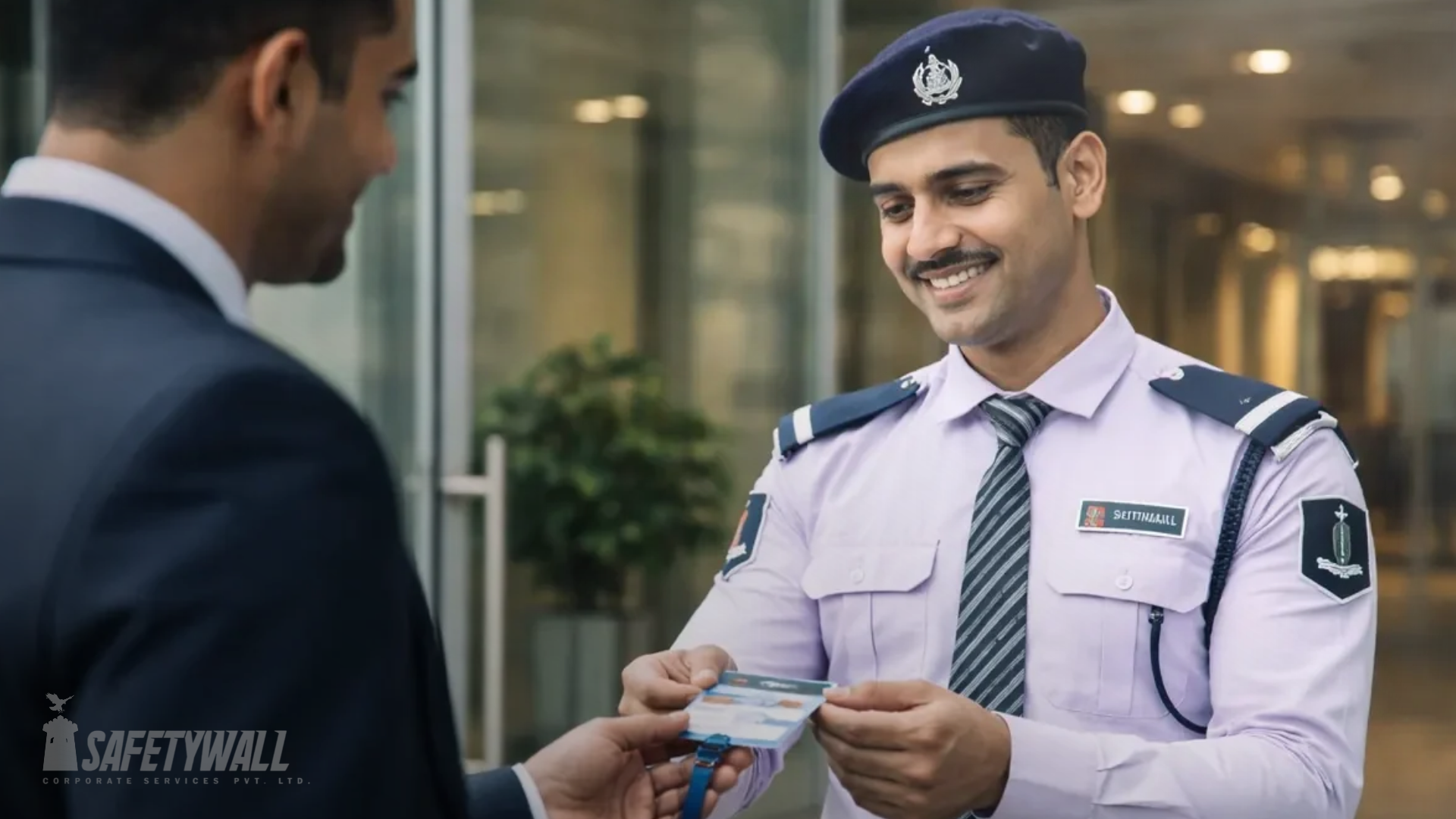
Manufacturing units carry a different kind of access risk than a typical office building. There's equipment worth protecting, raw materials and finished goods moving in and out, contractors and vendors on-site regularly, and often hazardous zones where the wrong person in the wrong place isn't just a security issue it's a safety one. Yet access control at many manufacturing facilities still runs on the same generic checklist as any other building.
Here's what access control actually looks like when it's built around a manufacturing environment specifically.
Start With Zones, Not Just Perimeters
A manufacturing unit isn't one uniform space it's a set of different zones with different risk levels: the main gate, administrative areas, production floors, raw material storage, finished goods storage, and often restricted zones around hazardous processes or high-value equipment. Good access control treats each zone differently, rather than applying one blanket rule across the entire facility. Someone cleared to enter the admin building shouldn't automatically have the same access to the production floor.
Vehicle Access Deserves Its Own Protocol
Manufacturing facilities move materials and goods constantly, which means vehicle access is often a bigger risk surface than foot traffic. Every vehicle entering supplier trucks, logistics partners, employee vehicles needs a clear verification process: what's being checked, against what documentation, and by whom. A facility that carefully screens people walking through the main gate but waves trucks through with minimal checks has a gap that matters just as much.
Contractor and Vendor Access Needs Structure
Manufacturing units typically have more recurring third-party access than most facilities maintenance contractors, equipment vendors, logistics partners, auditors. Each of these groups needs a different level of access than a regular employee, and that access should be time-bound and zone-specific, not a standing pass that never gets reviewed. A common gap is contractor access that was granted for a specific job and simply never revoked once the job ended.
Material Movement Needs to Be Verified, Not Just Observed
In a lot of facilities, security's role around material movement is limited to watching goods pass through a gate. Stronger access control means verifying what's leaving against what's documented checking delivery challans or gate passes against what's actually loaded, not just confirming that a truck is authorized to be there at all. This is where a meaningful share of inventory loss in manufacturing environments actually originates.
Restricted Zones Need Real Enforcement, Not Just Signage
Many manufacturing facilities have areas that are technically restricted hazardous material storage, high-value equipment rooms, control rooms but enforcement often stops at a sign on the door. Real access control means these zones have an actual barrier to entry: a manned checkpoint, a logged access system, or a guard specifically posted to that zone, not just a policy that assumes people will follow it.
Shift Changes Are a Known Weak Point
Manufacturing facilities often run multiple shifts, and shift changeover windows are when access discipline tends to slip a rush of people entering and exiting at once, with security stretched thin trying to verify everyone quickly. A facility that hasn't planned specifically for shift-change volume often ends up with the loosest verification standards during the exact window when the most people are moving through.
What Good Access Control Actually Requires
Put together, effective access control for a manufacturing unit means zone-based permissions instead of one blanket policy, a real vehicle and material verification process, time-bound and reviewed contractor access, actual enforcement at restricted zones, and a specific plan for shift-change volume not a generic access policy borrowed from a standard office building.
At SafetyWall, we build access control plans around what a facility actually manufactures and moves not a one-size-fits-all template.
Want a review of how your manufacturing facility's access control actually holds up? Get in touch with SafetyWall.