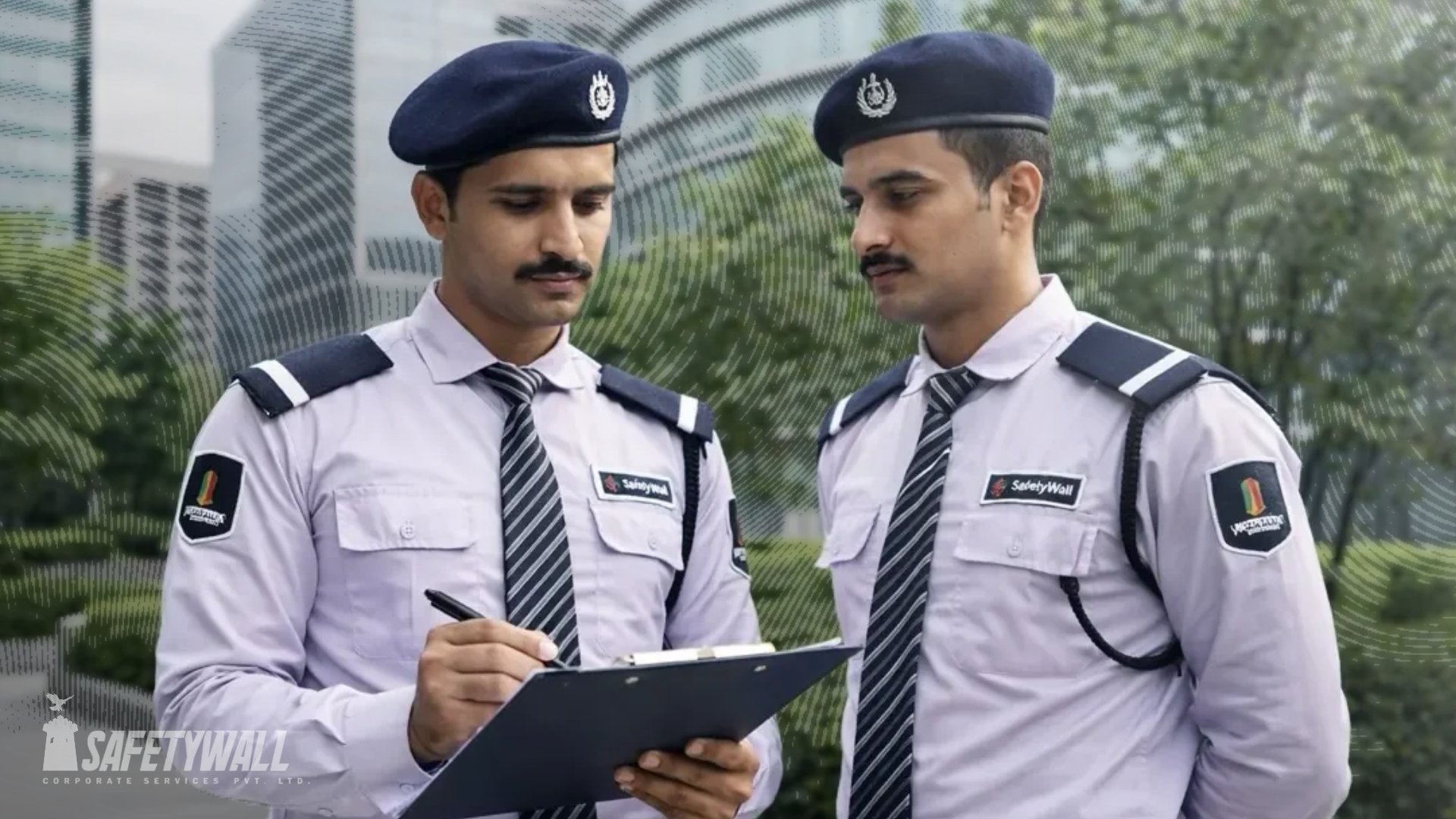
PSARA compliance gets misunderstood on both sides of the table by agencies cutting corners and by clients who don't know what to ask for. Here are the most common myths, cleared up.
Myth 1: "One PSARA License Covers the Whole Country"
Reality: PSARA licenses are issued state by state, under the Private Security Agencies (Regulation) Act, 2005. A license granted in Telangana does not authorize an agency to deploy guards in Karnataka, Maharashtra, or any other state. If a vendor is servicing clients across multiple states, they need a valid license in each one and it's worth verifying this directly rather than assuming a single certificate covers everything.
Myth 2: "If the Company Looks Established, It's Definitely Licensed"
Reality: Company size, years in business, or a polished website say nothing about license status. The only way to confirm is to ask for the actual license number and cross-check it against the contracting entity's name because agencies sometimes subcontract work under a different, unlicensed entity.
Myth 3: "Background Checks Are Just a Formality"
Reality: Under PSARA, character and antecedent verification isn't optional or symbolic it's a mandatory requirement before any guard or supervisor can be deployed. Agencies are expected to maintain documented verification records for every individual, not a sample. Treating this as a rubber stamp step is exactly how unqualified or unvetted personnel end up on site.
Myth 4: "Any Basic Training Is Good Enough"
Reality: PSARA requires agencies to have a formal tie-up (an MOU) with a state recognized training institute, and guards must be trained according to a syllabus set by the state's Controlling Authority. Ad hoc, in house only training with no recognized institute behind it doesn't meet the standard even if the guards seem competent.
Myth 5: "The License Doesn't Expire, So It's a One-Time Thing"
Reality: PSARA licenses are typically valid for five years and require renewal. An expired license is functionally no license at all. Clients should ask for the validity dates directly rather than assuming a license shown once is still current.
Myth 6: "PSARA Compliance Is Only the Agency's Problem"
Reality: If an incident occurs on your premises involving unlicensed or unverified security personnel, the client side facility can face real consequences too from legal exposure to failed audits and insurance complications. Verifying your vendor's PSARA status isn't just due diligence for their sake; it protects your own facility.
Myth 7: "Cheaper Agencies Are Just as Compliant, They Just Charge Less"
Reality: Meeting PSARA requirements proper background checks, institute based training, documented record keeping, uniform standards costs money. When a quote is dramatically lower than the market rate, it's worth asking exactly which of these steps are actually being followed, rather than assuming compliance is a given.
At SafetyWall, PSARA compliance isn't a line on our website it's documented, current, and available for you to review before you sign anything. Happy to share it.