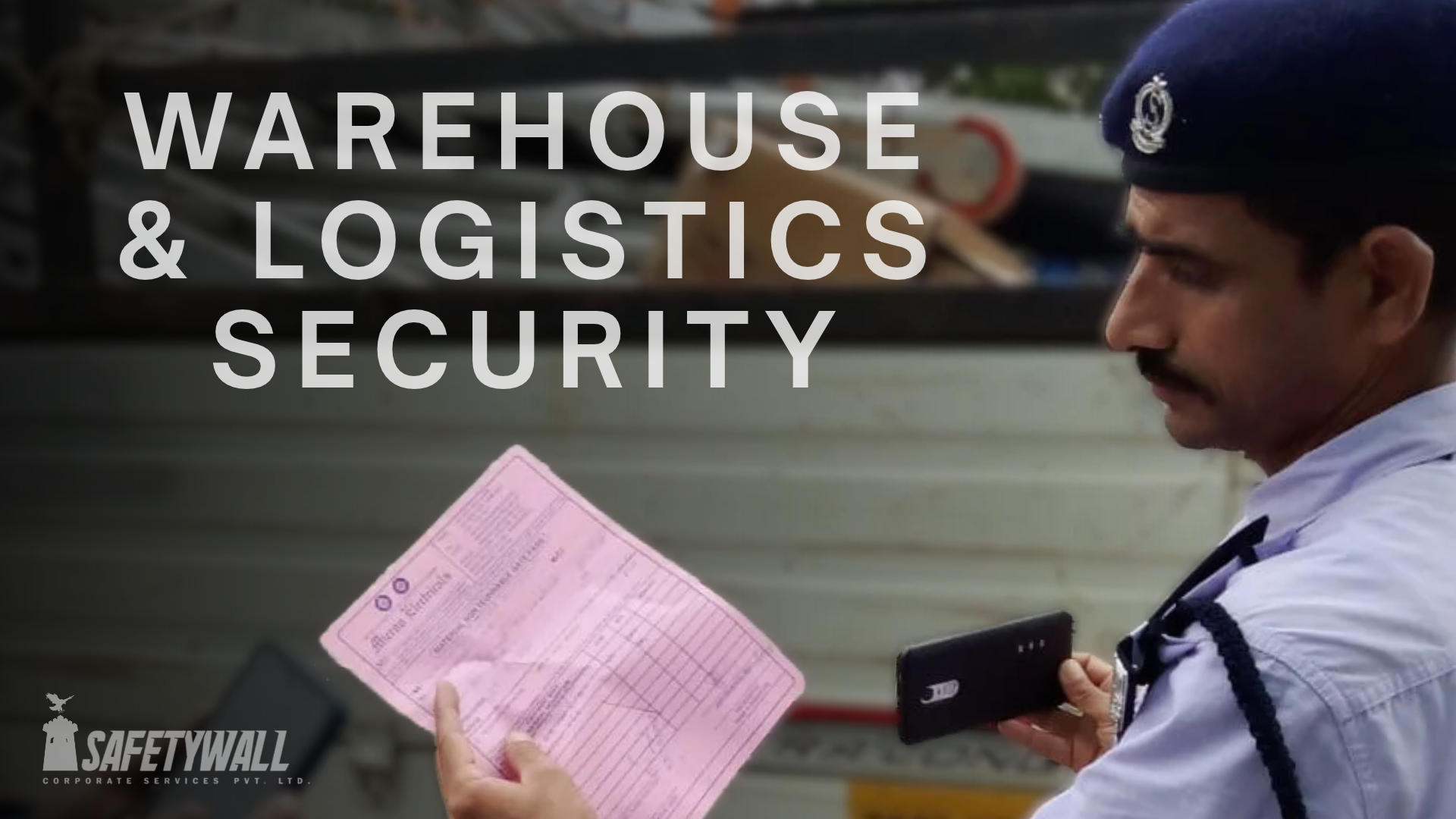
Warehouses and logistics hubs run on tight margins and tighter timelines which is exactly why security often gets treated as a line-item to minimize rather than a function to get right. But when it comes to guarding facilities that hold high value inventory, manage constant vehicle movement, and operate around the clock, hiring unlicensed security isn't just a compliance oversight. It's an operational risk hiding in plain sight.
Why Warehouses Are a Higher-Risk Environment
Unlike a typical office, a warehouse or distribution center has characteristics that make security failures more costly:
- High-value, easily movable inventory
- Constant vehicle and personnel movement through gates and docks
- Multiple shifts, including unsupervised night operations
- Numerous entry/exit points that are harder to monitor than a single lobby
- Third-party drivers, contractors, and vendors moving through the facility regularly
Every one of these factors raises the stakes on having security personnel who are properly verified, trained, and accountable — which is exactly what PSARA licensing is designed to ensure.
The Hidden Risks of Going Unlicensed
1. No Verified Background Checks on Guards
An unlicensed agency has no obligation and often no process for verifying a guard's identity, address, or criminal history before deployment. In a warehouse handling high-value goods, that's an open door. Theft, collusion with external parties, or simple negligence become far more likely when the person guarding the gate was never actually vetted.
2. No Accountability Trail
Licensed agencies are required to maintain documented registers of personnel, training records, and client assignments. Unlicensed operators typically have none of this. If an incident occurs a theft, a safety violation, an altercation there's no paper trail to establish who was on duty, what their background was, or whether they were even trained for the role.
3. Contractual and Insurance Exposure
Many corporate contracts, tenant lease agreements, and insurance policies for warehousing and logistics operations require proof of compliant, licensed security vendors. Deploying unlicensed guards even unknowingly, through a subcontracted arrangement can void insurance coverage or breach lease and client contract terms, leaving the facility exposed exactly when it needs protection most.
4. Legal Liability Falls on the Facility, Not Just the Vendor
If an unlicensed guard is involved in an incident on your premises a theft, an assault, a safety failure the facility operator can face legal and regulatory consequences alongside the agency. "We didn't know our vendor was unlicensed" is rarely a sufficient defense once a facility is expected to exercise basic due diligence.
5. Subcontracting Without Disclosure
A common but under-recognized risk: a facility signs a contract with a licensed agency, but that agency quietly subcontracts guard deployment to a smaller, unlicensed operator to cut costs. The facility believes it's protected by the original agency's license but the guards actually on site were never covered by it. This is precisely why matching the license to the guards actually deployed, not just the agency's name on the contract, matters.
What Logistics and Warehouse Operators Should Demand
- A valid, state-specific PSARA license matching the entity actually deploying guards on-site
- Documented background verification for every guard, not a sample
- Clear shift logs and handover protocols for 24/7 coverage
- No undisclosed subcontracting of guard deployment
- Regular compliance checks, not just a one-time license review at contract signing
The Bottom Line
In warehousing and logistics, security gaps rarely show up as dramatic breaches they show up as inventory shrinkage, unexplained losses, and liability nobody can trace. An unlicensed guard isn't just a compliance technicality on someone else's paperwork. It's a risk sitting at your gate.
At SafetyWall, every guard deployed to a warehouse or logistics site is PSARA licensed, background verified, and documented with shift accountability built into how we operate. Happy to share our compliance documentation before you decide.